About
I work at the intersection of analytics, research, systems, and implementation.
I am a data and analytics consultant with more than 15 years of experience building analytic products, workforce models, research programs, dashboards, and decision-support systems for government, healthcare, associations, nonprofits, and consulting clients.
The recurring theme in my work is translating an ambiguous organizational problem into something concrete: a research question, a data strategy, a model, a dashboard, a workflow, or a system that people can actually use.
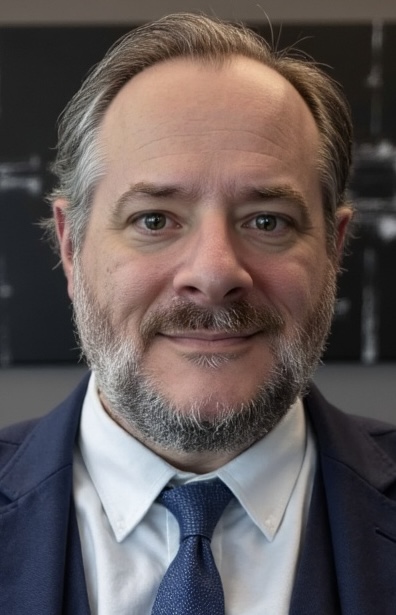
Background
Most recently I served as Director of Health Workforce Consulting at GlobalData, leading complex analytics engagements for state agencies, hospital associations, professional societies, and federal clients. My work included workforce projection methods, reusable R/Shiny dashboard frameworks, validation and documentation systems, and a DuckDB + object-storage proof of concept for lower-friction analytic architecture.
Before that, I helped establish Utah’s legislatively created Health Workforce Information Center and spent more than a decade at the Utah Medical Education Council, where I led statewide research programs covering multiple health professions and built survey, modeling, reporting, data-integration, cloud-hosted analytics, and public R/Shiny capabilities.
Earlier public-sector and nonprofit work gave me practical experience with programs, policy, operations, grants, administrative systems, and direct service. That experience still shapes how I approach analytics: the data system is never separate from the people, workflows, institutions, and decisions around it.
How I think about consulting
Understand the decision before designing the analysis
A technically elegant answer to the wrong question is still the wrong answer.
Stakeholder input is part of system design
Usability, trust, incentives, workflow, and implementation constraints should shape the solution from the beginning.
Prefer maintainable over impressive
The right architecture is the one the organization can understand, afford, validate, and sustain.
Analysis is not finished when the model runs
Interpretation, communication, implementation, documentation, and handoff are part of the analytic product.
Education and perspective
I hold four degrees from the University of Utah: an MBA with a Certificate in Information Systems, an MPA focused on Program Evaluation and Policy Analysis, a B.A. in Political Science with a Certificate in International Relations, and a B.A. in Spanish.
My professional work has crossed public policy, healthcare, labor and workforce analysis, program evaluation, data science, analytics engineering, and technical product delivery. I have also served as a peer reviewer, federal grant reviewer, nursing workforce center board president, and Salt Lake City planning commissioner and commission chair.
One project that strongly influenced how I think about analytics implementation was an IBM Health Corps collaboration focused on modeling primary-care workforce needs. The technical analysis mattered, but so did stakeholder participation, system design, usability, and the practical question of how a new analytic approach would be deployed and used.